

Do termites make cocoons?
Content Updated: March 3, 2026
Key takeaways
- Termites do not produce cocoons; instead, they transition through three stages: egg, nymph, and adult. This differs from insects, which spin silk cocoons during the pupa stage.
- Mud tubes, created by subterranean termites, are often confused with cocoons but serve to protect termites from environmental threats as they travel between nests and food sources, such as wood.
- Termite larvae reside primarily in wood or soil, often hidden within colonies, making them difficult to detect and remove.
- In addition to mud tubes, homeowners should look for other signs of termite activity, such as hollow-sounding wood, to identify potential infestations and seek professional pest control assistance promptly.
Jump to section:
How do termites grow wings without cocoons?
What to do if you have a termite infestation
As a homeowner who wants to protect your investment, you’re probably aware of the damage that termites can cause, and you may want to watch carefully for signs of termites. But is that tiny gray-brown structure clinging to your foundation a cocoon or mud tube?
Termites do not make cocoons. Although mud tubes and cocoons both protect their insect inhabitants, they aren’t the same thing. Let’s take a closer look at cocoons and mud tubes, and learn when it's time for termite control.
What is a cocoon?
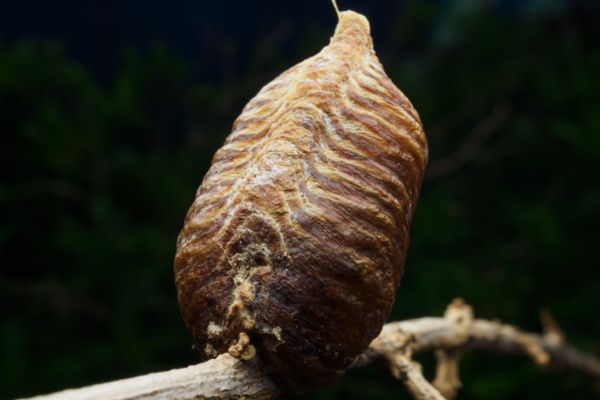
Insects that undergo complete metamorphosis, a life cycle that begins with the egg and then moves through the larval stage, spin silk cocoons to protect the pupa during this development stage. The cocoon is made of silk, which the last larval instar creates around itself as a start to the pupa cycle. After this process, the insect transitions into the mature adult stage. Butterflies, wasps, beetles, fleas, and some moth species all go through a pupa stage and create a cocoon.
Unlike these other insects, termites do not undergo a complete metamorphosis. This means that termite cocoons and termite larval cocoons do not exist. Termite metamorphosis is incomplete. Instead, the termite life cycle consists of three stages: egg, nymph, and adult.
Where do termite larvae live?
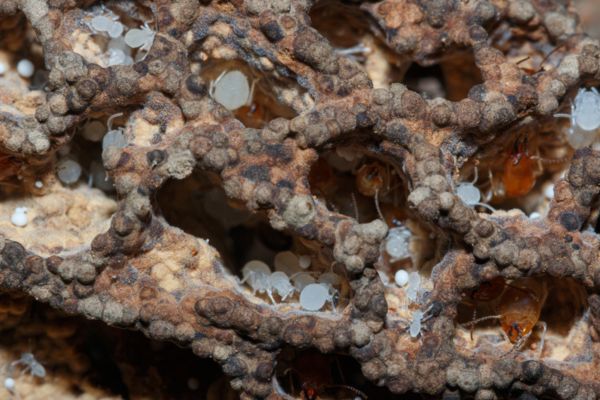
Termite larvae primarily live within wood or soil, depending on the species of termite. They are usually found in hidden colonies where their development can be protected, often residing in decaying wood, beneath the soil, or in the structural wood of homes. Larvae do not have wings and are unable to fly, meaning you will not see flying termite larvae. Termite larvae are generally small and resemble white or cream-colored grubs with soft bodies. Getting rid of termite larvae can be challenging, as they are often concealed within the wood and can quickly reinfest areas if not thoroughly eradicated.
How do termites grow wings without cocoons?
Certain termites grow wings as part of their life cycle, specifically when they reach the reproductive stage. Unlike butterflies, which develop within a cocoon during their metamorphosis, termites undergo a process called gradual metamorphosis, where they transition from nymphs to adults without a pupal stage. When mature, winged termites, often referred to as alates, emerge during swarming events, usually characterized by their long, slender bodies and two pairs of equally sized wings.
Seeing flying termites near your home can be a sign that there is an established colony nearby, as these alates are typically searching for new locations to mate and start new colonies.

What is a mud tube?
People can sometimes confuse a termite mud tube with a cocoon.
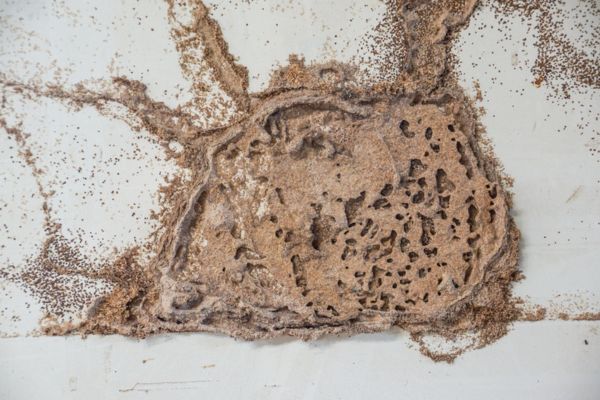
Subterranean termites produce mud tubes. Mud tubes are flattened, pencil-sized, earth-colored tunnels that protect subterranean termites from predators, temperature extremes, and dry conditions when they’re traveling between their underground nests and the wood they eat.
Subterranean termites need to maintain specific temperature and humidity levels in their immediate environment to survive. Made of saliva and fecal matter (which may contain wood), mud tubes block out cool, dry air, creating an optimal habitat for these destructive pests. These mud tubes often have high humidity. You may see mud tubes anywhere the ground meets your house (i.e., around your foundation) or around another possible food source (wooden structure or tree).
If you spot these mud tubes, do not attempt to destroy them on your own. Doing so can disturb the termites and lead to further damage. Instead, contact a termite control professional immediately. Mud tubes are one of the top signs of a termite infestation, and it's crucial to address the issue promptly to prevent extensive damage to your home.
What to do if you have a termite infestation
Though mud tubes are a common sign of termite activity, not all termites create these tunnels. Drywood termites, for example, do not need to stay in direct contact with soil, nor do they require as much moisture as subterranean termites. Instead, drywood termites live inside the wood that they infest. Here are some more common signs of termites:
- Wood damage: Check for hollow-sounding wood or visible tunnels within wooden structures.
- Frass: This is termite droppings, which look like tiny pellets and can accumulate near infested areas.
- Swarmers: You may notice flying termites when they leave the colony to mate.
- Discarded wings: Find piles of wings shed by swarmers, typically near windows or doors.
Termite infestations can cause thousands of dollars of damage to your home. To help prevent termite damage, you can remove firewood that’s touching your home, seal cracks and gaps, and fix leaks. Despite these efforts, your home may have experienced damage prior to your ownership, or you may live in a climate that is attractive to termites. Early detection and prompt treatment of termite infestations are crucial in preventing extensive and expensive damage. If you suspect your home has been invaded by termites, contact Terminix today to schedule a free termite inspection.