

Southern house mosquito
Content updated: April 14, 2026
Key takeaways
- The southern house mosquito (Culex quinquefasciatus) is a medium-sized brown or gray mosquito commonly found in warm, humid regions, including the southern United States.
- These mosquitoes breed in stagnant water, such as storm drains, bird baths, clogged gutters, and other containers around homes.
- Female southern house mosquitoes bite humans, birds, and other mammals and can transmit diseases like West Nile virus, St. Louis encephalitis, and heartworm in dogs.
- The life cycle of the southern house mosquito is fast, allowing populations to grow quickly in warm conditions, and adults may survive through winter in some regions.
- Reducing standing water around your home and enlisting professional mosquito control services can help manage southern house mosquito populations long-term.
Jump to section:
What do southern house mosquitoes look like?
Southern house mosquito habitats
Life cycle of the southern house mosquito
Bites from southern house mosquitoes
The southern house mosquito (Culex quinquefasciatus) originated in Africa and has since spread globally, thriving in warmer climates. Often described as a brown or gray mosquito, this species is commonly found in urban and suburban environments and has adapted to breeding in stagnant water sources such as storm drains, ditches, and artificial containers.
Female southern house mosquitoes are known for their blood-feeding behavior, primarily targeting birds, mammals, and humans. Throughout history, the southern house mosquito has been associated with transmitting diseases such as the West Nile virus and St. Louis encephalitis.
Northern and southern house mosquitoes differ in appearance and their geographical distribution, but their breeding preferences and behaviors are similar.
What do southern house mosquitoes look like?
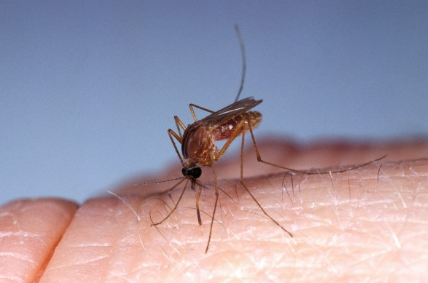
The southern house mosquito is a medium-sized mosquito. Females are usually larger than males, especially after a blood meal. These mosquitoes are typically brown or gray, and their body is covered in scales. Their legs are solid colored, and their abdomens have white bands.
- Size: ⅛
- Color: Typically brown or gray
Southern house mosquito habitats
As their name implies, southern house mosquitoes are commonly found in the southern third of the United States. Aside from the United States, the southern house mosquito is found in areas of South America, Australia, Asia, Africa, the Middle East, and New Zealand. The Culex quinquefasciatus thrives in tropical and subtropical climates with warmer temperatures and high humidity.
Southern house mosquitoes breed in stagnant water, making any water source with poor circulation an ideal breeding ground. Breeding grounds may include flower pots, bird baths, clogged gutters, and storm drains. Tall grass, overgrown vegetation, and foliage all provide a resting place for adult mosquitoes during the day.
Life cycle of the southern house mosquito
Southern house mosquitoes breed in stagnant water, and females lay rafts of 100-300 eggs on the water's surface. A single female may lay up to five rafts in her short lifetime. The eggs hatch within 24 to 30 hours, undergoing a full metamorphosis cycle before reaching adulthood, and the complete breeding cycle takes one to two weeks in high summer temperatures.
Adult females typically live for about 6 weeks. These mosquitoes can overwinter as adults and may breed year-round based on their geographical range.
Bites from southern house mosquitoes
Females feed on various hosts, including humans, birds, and other mammals. Both males and females feed on nectar and sugars from plants. The southern house mosquito can carry pathogens that may cause various diseases, including West Nile Virus, St. Louis Encephalitis, and heartworm in dogs.
West Nile Virus: Symptoms include fever, headache, body aches, joint pains, vomiting, and diarrhea.
St. Louis Encephalitis: Symptoms include fever, headache, nausea, vomiting, and, in severe cases, brain inflammation (encephalitis) that can lead to neurological complications.
- Heartworm in dogs: Symptoms include coughing, difficulty breathing, lethargy, and, in severe cases, heart failure.
It's important to note that while Culex Quinquefasciatus can carry these pathogens, not every mosquito of this species is infected, and transmission depends on various factors. Prevention measures, such as mosquito control and personal protection, are essential to reduce the risk of mosquito-borne diseases.
To effectively prevent and control southern house mosquitoes, it’s crucial to eliminate stagnant water sources around your property to prevent mosquitoes from breeding. DIY mosquito control measures may provide short-term relief, but lasting results require professional expertise. For a long-term mosquito control solution, contact Terminix! Our services include a full inspection and a treatment plan tailored to your needs.