

Are cockroaches dangerous?
Key takeaways
- Cockroaches can be dangerous because they can spread bacteria, contaminate food and surfaces, and trigger allergies or worsen asthma symptoms.
- While roaches are not aggressive and rarely bite, their main health risks come from contamination and allergens in their saliva, droppings, shed skin, and dead bodies.
- Seeing one cockroach doesn’t always mean a major infestation, but repeated sightings (especially during the day) are a strong sign of a larger problem.
- Prevention and control focus on sanitation, moisture reduction, sealing entry points, and monitoring activity. Professional treatment may be needed if the problem persists.
Jump to section:
Do cockroaches bite? Can they physically hurt you?
Allergic reactions to cockroaches
Can roaches trigger asthma attacks?
What to do if you see a cockroach
Many homeowners wonder, "Are roaches dangerous?" and the answer is yes, they can be. Cockroaches can spread bacteria, contaminate food, and trigger allergies or asthma symptoms. They can thrive anywhere they can find food, water, and shelter, so most homes provide the perfect environment for them to settle in, regardless of how clean it is.
Cockroaches are nocturnal pests and experts at hiding, which means if you see one, many more may be nearby. Their habits are far from sanitary. They feed on garbage, breed in sewage, and leave behind droppings and debris on surfaces. If you’re finding these insects in your home, our cockroach control services can help eliminate and prevent future infestations.
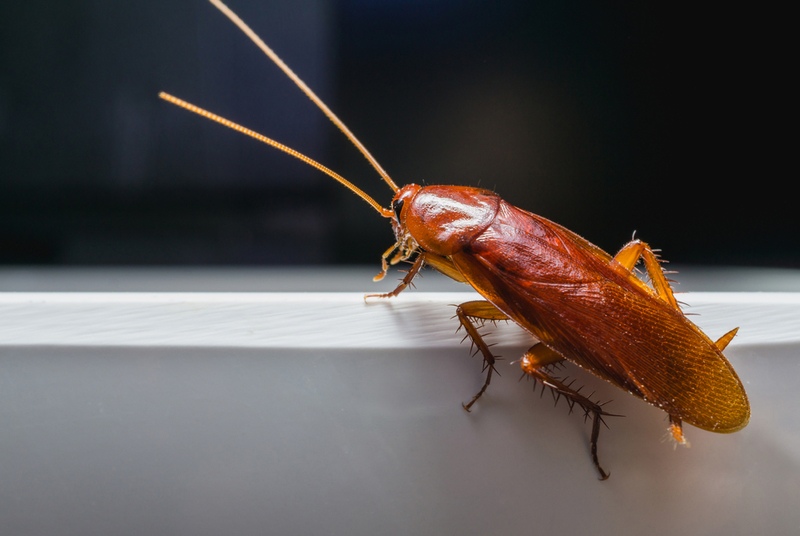
Do roaches carry disease?
If you’ve seen these pests in your home, you may be thinking, "Do cockroaches carry diseases?" Unfortunately, these pests are known to carry and spread a range of bacteria and pathogens. As they move through unsanitary areas like garbage, drains, and sewage, they can pick up germs on their bodies and legs. When they travel across countertops, dishes, and other surfaces in your home, they can transfer that contamination, increasing the risk of exposure.
Direct disease transmission to humans is less common compared to pests like mosquitoes or ticks, which transmit diseases through bites. Regardless, their ability to contaminate environments and trigger allergies or asthma still makes them a significant health concern.
Do cockroaches bite? Can they physically hurt you?
Cockroaches can cause anxiety for many people. The good news is that they are not aggressive insects. Roaches do not seek out people, and they will not attack you while you’re sleeping.
In very rare cases, cockroaches may bite humans, but this is uncommon and typically only happens in situations with severe infestations where food sources are extremely limited. Some species also have small leg spines that may scratch the skin, but this is not the same as an intentional attack or injury. Cockroaches are generally far more focused on food and shelter than people.

Allergic reactions to cockroaches
Cockroaches can trigger allergic reactions in some people. These reactions are caused by proteins found in roach saliva, feces, shed body parts (molts), or dead roaches. Common symptoms of a cockroach allergy can include:
- Sneezing
- Coughing
- Runny or stuffy nose
- Itchy or watery eyes
- Skin irritation
Can roaches trigger asthma attacks?
In more sensitive individuals, exposure may also worsen asthma symptoms, including asthma attacks, wheezing, chest tightness, or difficulty breathing. In homes with higher cockroach activity, exposure to these allergens can contribute to more frequent or severe asthma flare-ups over time..
What to do if you see a cockroach
If you see a cockroach in your home, stay calm and either trap it or carefully remove it. While it may be tempting to squish a cockroach when you see one, it’s not recommended. Crushing it can potentially spread bacteria and contaminants from its body onto nearby surfaces. Once you contain or remove the cockroach:
- Wipe down counters and cabinets with a disinfectant to remove any food debris and disrupt cockroach scent trails
- Avoid leaving dirty dishes or pet food out overnight
- Check nearby hiding spots, such as under sinks, behind appliances, and in cabinets, to see if there are more
- Reduce moisture in areas like kitchens and bathrooms
- Set sticky traps or bait to help monitor and reduce activity
One roach doesn’t always mean an infestation, but repeated sightings, especially during the day, are a sign you may need professional pest control.

Tips for safer roach removal
If you spot cockroaches in your home, there are a few steps you can take to help manage the problem and reduce the chances of it getting worse.
- Start by keeping your home as clean and dry as possible
- Pay close attention to kitchens, bathrooms, and other areas where moisture tends to collect, since these are common hiding and breeding spots
- Store food in sealed containers
- Take out the trash regularly
- Seal potential entry points and replace worn weatherstripping
If, after taking these steps, you continue to see cockroaches, it may indicate a larger infestation that will require professional treatment to fully resolve. Terminix cockroach control services can help get rid of roaches by addressing the source of the infestation.