
Education
Do centipedes bite or sting humans?
Content Updated: January 27, 2026
Key takeaways
- Centipedes can bite, but their bites are more accurately described as pinches and typically occur when they feel threatened.
- While generally not aggressive, centipedes may defend themselves, and their venom can cause reactions similar to a bee sting in some individuals.
- Symptoms of a centipede bite include localized pain, swelling, and redness, but severe reactions are rare and usually resolve within a few days.
- To prevent centipedes from entering your home, maintain cleanliness, eliminate clutter, seal cracks, and control moisture levels.
Jump to section:
- Can centipedes bite?
- Are centipedes aggressive?
- Centipede pinch symptoms and treatment
- What to do if you see centipedes in your home
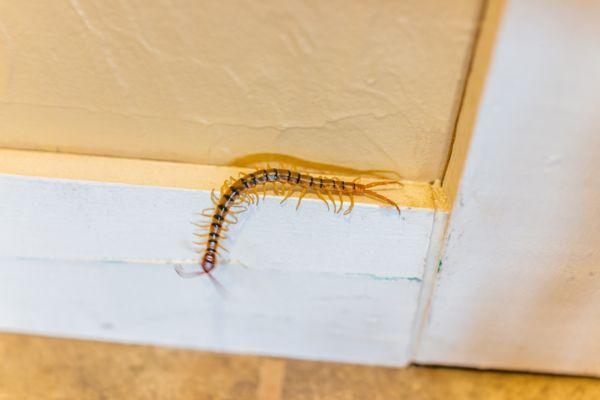
Centipedes are considered one of the creepier household pests you can come across, thanks in part to their less-than-stellar looks and numerous long legs.
But are centipedes dangerous? Can a centipede even bite? Learn the answers to these questions and more.
Can centipedes bite?
So, do centipedes bite? Contrary to popular belief, a centipede bite is actually envenomation. Some centipedes are venomous. Venom is injected through scratching from the modified front legs. While their venom isn’t usually strong enough to seriously harm people, it can cause a reaction similar to a bee sting in some people.
Some centipedes can grow to be over one foot in length, but unless you’re trekking through the Amazon, you’re unlikely to see any longer than about two to six inches. And the larger the centipede, the more punch its pinch may pack.
Are centipedes aggressive?
Centipedes are generally not aggressive creatures and typically avoid confrontations with humans and pets. However, if threatened or cornered, they may bite in self-defense, which can be painful but is rarely dangerous. Their instinct to flee from danger can sometimes appear as if they are running towards you, especially if they perceive an open escape route. If you find one in your home, gently guide it outside using a piece of cardboard or a jar. Always wash your hands thoroughly afterward and consult a medical professional if bitten.
Centipede pinch symptoms and treatment
As noted above, most humans don’t have a severe reaction to centipede bites, especially within the United States. It is possible, however, and centipedes can be defensive if they feel threatened, so it’s a good idea to be prepared.
Symptoms of a centipede envenomation, according to the U.S National Library of Health Medicine, include:
- Pain in the area of the pinch
- Swelling in the area of the pinch
- Redness in the area of the pinch
- Lymph node swelling (rare)
- Numbness in the area of the pinch (rare)
People who are allergic to centipede venom may also have:
- Difficulty breathing
- Rapid heart rate
- Throat swelling
If you experience a centipede bite, symptoms typically only last a few days. Cleaning the area with soap and water and applying a cold pack can help reduce symptoms. If you suspect you’ve been bitten, the best course of action is to contact a medical professional for treatment.
What to do if you see centipedes in your home
Having centipedes in your home can be unsettling, but there are effective steps you can take to manage the situation. First, immediately remove any centipedes you find and relocate them outside. It's also important to create an environment that discourages their presence. Keep your home clean and free of clutter, seal up any cracks or crevices, and ensure that moisture levels are controlled.
If you notice centipedes in your home and want to get rid of them, or if you want to help prevent them from getting into your home in the first place, contact Terminix and learn about our centipede control and how it can help you.