
Bug Facts
Why bees are attracted to you
Content Updated: June 4th, 2026
Key takeaways
- Bees are attracted to sweet things like sugars and nectar, pollens, patterns, colours, especially purple, blue, and yellow, and movement.
- When they are scouting for new hive locations, bees are attracted to areas near flowering plants that provide pollen, a water source, and natural protection from predators and the elements.
- To support the bee ecosystem but manage the population around your home, consider choosing flowering plants that bloom throughout the season, and not all at the same time.
- Help prevent bee stings by staying aware of your surroundings and keeping your distance, checking your yard for bee nests regularly, and staying calm when a bee is near you.
- Help avoid attracting bees by keeping sweet drinks or food covered outdoors, and not wearing sweet-smelling fragrances and creams when you’re going to be outside.
Jump to section:
What attracts bees to your home?
Bees are beneficial insects in a number of ways. For example, they’re pollinators, so they can help your summer vegetable garden flourish. And, of course, some bees make delicious honey. However, the fact that they’re helpful doesn’t necessarily mean you want them buzzing around you. Many people have apiphobia — or a fear of bees — and others are highly allergic to the insect’s sting. Some folks just seem to attract bees like moths to a flame.
But whether or not you’ve ever asked yourself, “Why are bees attracted to me,” it doesn’t hurt to learn what could make a bees seek you out. If you’ve ever wondered what attracts bees, it often comes down to a combination of scent, shelter, and food sources.
Learn what attracts bees and what to do if you come into contact with one.
What are bees attracted to?
To understand why bees make a beeline for you, it helps to know what these insects are looking for in the first place.
Sugars and nectar
Many bees feed on the nectar from flowers. Since nectar is sweet, it makes sense that bees would be attracted to sugars and fragrances that smell flowery or sweet. That’s why you may notice bees at your picnic, especially if you’re drinking sugary sodas or eating fruits, such as pineapple and watermelon. In addition, if the scent of sunscreen, perfumes, lotions, or hair products is overly saccharine (has a sweetness resemblance), there is a chance it may attract bees.
Pollen, patterns, and colors
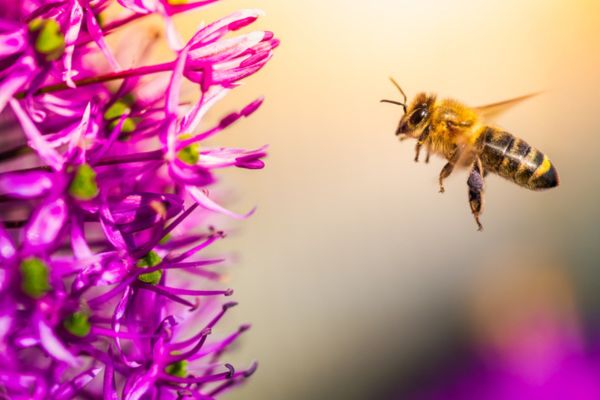
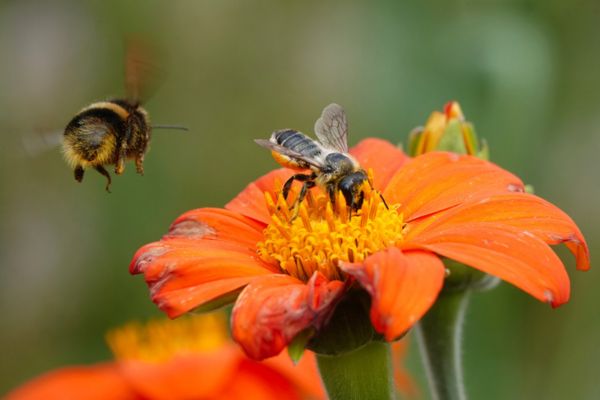
In addition to nectar, bees feed on pollen that they get from flowers. Some flowers that attract bees are sunflowers, lavender, wildflowers, and bee balm. Bees can see colors in the spectrum ranging from ultraviolet to orange and have been noticed to prefer purple, blue, and yellow flowers. They also tend to be drawn to symmetry, as this can usually signify health and abundance in flowers. So, there is some chance that a combination of bees’ preferred colors and symmetrical patterns could attract them to you.
Movement
Bees are naturally drawn to motion, as it often indicates the presence of potential food sources like flowers offering nectar and pollen. Quick, erratic movements can attract bees, signaling that something is worth investigating. Foraging bees are also attentive to changes in their environment, and the sight of a flower swaying or an insect hovering may suggest a rich foraging opportunity.
What attracts bees to your home?
Bees are often drawn to homes for a variety of reasons, especially when they’re scouting for new hive locations. When searching for nesting sites, bees look for specific environmental features that can support their survival. One of the key factors for what attracts bees is the availability of nectar and pollen from flowering plants. Bees are also attracted to areas that offer water sources for hydration and nest cooling, as well as places that provide natural protection from predators and harsh weather conditions.
Fragrant landscaping, perfumes, lotions, or even the scent of compost or decaying organic matter can increase the chances of bees hovering around you or your home. To manage bee attraction to your home while still supporting their crucial role in the ecosystem, you may choose to have native flowers that attract bees that bloom at different times throughout the growing season to provide a continuous food source without overwhelming the area. Selecting varieties that bloom in succession throughout the season provides nourishment without overwhelming the area, helping strike a balance between pollinator support and home comfort.
How to help repel bees
Now that you know what attracts bees, you can avoid provoking them. Unfortunately, there’s no surefire way to ensure you’ll never be stung by a bee. It can be easy to accidentally disturb a nest or attract bees with food or flowers. However, there are some measures you can take to try to prevent bee stings as much as possible.
- Watch where you walk so that you don’t accidentally step on a hive or run into one. Bees may sting if they think their queen or beehive is in danger.
- Check your yard regularly for nests before doing yard work or running a lawnmower. Some bees nest underground or in hollow trees, so keep an eye out for insects coming and going from a common location.
- When dining outdoors, cover sugary drinks, fruits, or popsicles, as bees are typically attracted to sweets.
- Avoid wearing sweet-smelling perfumes, colognes, sunscreens, or scented hair products, especially if you’ll be spending a lot of time outdoors.
- Bees dislike the smell of vinegar, cinnamon, and eucalyptus. Using these scents around your home can help deter them.
- If you see bees near flowers, change your path.
- Know what to do when a bee is near you: Don’t swat at it or you could send it into defense mode. Rather, calmly move away in a straight line until you reach an enclosed shelter. Even then, some more aggressive bees may still sting you.
- Don’t try to hide from bees by diving into water. Some bees may just wait for you to emerge.
- In addition to the other colors mentioned above, avoid wearing dark colors and reds. Bees may associate these colors with their natural predators and may see you as a threat to their hive.
Again, bees are a vital part of our ecosystem and are very beneficial insects. Therefore, if you can leave a colony undisturbed, you should. However, if you have a severe infestation or are allergic to bees, knowing what attracts bees and working with a bee control professional can help.