
Bug Facts
What are the differences between silverfish vs. earwigs
Content Updated: January 21, 2025
Key takeaways
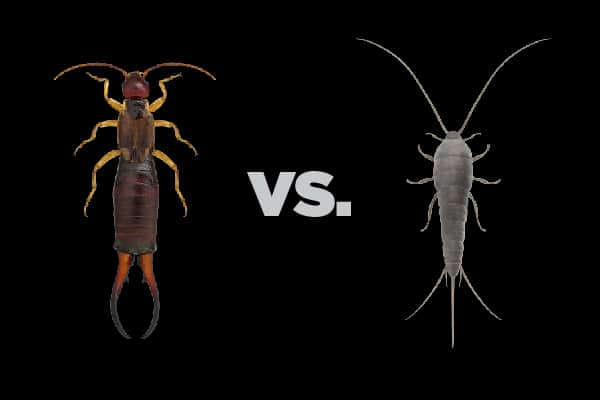
- Silverfish and earwigs can be distinguished by their appearance; silverfish have a shiny, pearl gray color and tapering bodies without wings, while earwigs are typically black or brown with pincers (cerci) and may have wings.
- Silverfish primarily feed on starches found in paper products, books, and wallpaper, which can lead to damage in homes. In contrast, earwigs consume plants and decaying organic matter, playing a beneficial role in the ecosystem.
- Silverfish thrive in moist, low-traffic areas of homes, such as basements and behind books, while earwigs prefer outdoor environments, such as under rocks and in decaying wood. Both insects, despite being considered pests, contribute to the ecosystem; silverfish help break down organic materials, while earwigs aid in composting by feeding on decomposing matter.
Jump to section:
There are many different creatures that have more than one name. For example, tadpoles may be called pollywogs, and Chagas bugs are also commonly referred to as assassin bugs or kissing bugs. Many people believe that silverfish and earwigs fall into this category. But contrary to popular belief, they’re two very unique insects. Learn the differences between silverfish vs earwigs and how to keep them out of your home.
Appreanace
Aside from both being unsightly, here are some ways to tell silverfish and earwigs apart.

Silverfish: As their name would suggest, silverfish are pearl gray and shiny. They don’t have wings on their slightly flattened bodies, so there’s no such thing as a flying silverfish. Because of the way their bodies taper from the head to the tail, they almost look like tiny silver lobsters without pincers. Silverfish can be anywhere from one-half of an inch to one inch long. Additionally, they have three tail-like appendages that resemble antennae.
Earwigs: Earwigs also have slightly flattened bodies; however, that’s where the resemblance to silverfish stops. An earwig’s appearance is usually black or brown, and some have stripes or reddish coloring on their heads and limbs. Earwigs can be anywhere from one-fourth of an inch to one-and-one-fourth inches in length. Unlike silverfish, earwigs do have wings, but you’ll rarely see them fly. One of the earwig’s most distinctive features is its cerci — two hard appendages that resemble pincers extending from the backend of the abdomen.

Diet
When it comes to meals, silverfish and earwigs prefer the finer things in life… like old books and newspapers.
Silverfish: Silverfish mainly prefer starches, and their eating habits can be destructive to your belongings. They are known to sometimes feed on books and paper products because of the starches and sizing in the paper. They also like the glue used in old books and wallpaper installation.
Earwigs: Earwigs mostly eat plants and decaying organic matter. They enjoy leaves, flowers, and fruits, which provide them with essential nutrients. They also play an important ecological role by feeding on decaying organic matter, such as decomposing leaves and rotting wood.
Habitats
They don’t really look alike. They kind of eat alike. But do silverfish and earwigs live alike when it comes to habitat choices? When the seasons change and food sources become scarce, you may notice earwigs and silverfish in the house. Damaged items, unusual smells, and visual sightings can all be signs these pests have entered your home.
Silverfish: If you want to spot a silverfish, look in parts of your home that are moist and don’t see a lot of foot traffic. Add in some food sources, like those old newspapers, books, or family albums, and silverfish may be happy to call your house home. This is even more likely if you happen to live in a house with wooden shingles, as those tend to mold, and silverfish can feed on that.
Earwigs: Fortunately, earwigs prefer the great outdoors. They are nocturnal and seek damp, dark places to live, such as the underside of flagstones, tree bark, and decaying wood. The only time these insects will likely cause you a problem is if they move indoors. If that’s the case, you may find them in places that are cool, dark, and moist, such as your basement, a bathroom, or a crawl space.

Environmental impact
Although they may be unsightly, silverfish and earwigs have an important role in the ecosystem. Here’s why you may want to think twice before getting rid of them.
Silverfish: Silverfish contribute to the breakdown of organic materials such as paper, starches, and other carbohydrates. While they can damage stored food and personal belongings, their role in the ecosystem includes aiding in the decomposition process, similar to earwigs. Eliminating silverfish completely may create unintended consequences in the ecosystem, such as the loss of natural predators that rely on them for food.
Earwigs: These pests play a notable role in the ecosystem as decomposers, breaking down decaying organic matter and returning nutrients to the soil. They contribute to soil aeration as they burrow, which enhances plant growth and overall soil health. Although they are often considered pests due to their presence in homes, they primarily feed on decaying plant material, other insects, and even fungi, helping to control pest populations in gardens.
Dangers
Fortunately, when it comes to silverfish vs earwigs, they rarely pose danger to you or your family.
Silverfish: Silverfish are not harmful to humans in terms of biting or stinging. They are known to feed on carbohydrates found in books, wallpaper, and other household items, leading to damage and deterioration. Additionally, they can trigger allergic reactions in some individuals, causing respiratory issues or skin irritations.
Earwigs: Earwigs are recognized by their distinctive pincers, but are not known to bite humans. Their name is derived from a myth suggesting they can burrow into human ears, which is unfounded. However, they can become a nuisance when they invade homes, especially in gardens, as they may feed on a variety of plants and vegetables.
Control
As you can see, these insects have many differences. If you find earwigs and silverfish in the home, here are a few things you can do to keep them out.
- Seal cracks and crevices to prevent entry
- Eliminate moisture sources
- Remove cardboard and other starchy materials
- Keep your yard tidy and remove decaying matter like leaves
One last thing they both have in common is that they’re hard to control if they infest your home. If you think you have a problem with silverfish and earwigs, Terminix can help. Our technicians are trained in earwig and silverfish control and can help protect your home.