

How to tell if you’re seeing bed bugs or fleas
Content updated: April 7, 2026
Key takeaways
- Bed bugs and fleas can be identified by their physical characteristics: bed bugs are flat and seed-shaped, while fleas are oval and skinnier.
- Bed bugs typically hide in bedding and furniture, whereas fleas are often found on pets and in carpets.
- The appearance and location of bites can help identify the pest, as bed bug bites usually appear in lines, while flea bites cluster around the ankles.
- Both pests typically require professional pest control, but pets may need medical attention for fleas.
Jump to section:
How can you tell bed bugs and fleas apart?
Regardless of whether you're dealing with bed bugs or fleas, you want them gone from your home. Now. But before you drive yourself crazy scratching, it's important to know which of the two nearly invisible arthropods you're dealing with. Learn how to tell if you have bed bugs or fleas and when it's time to enlist the help of experts at Terminix® for bed bug or flea control.
How can you tell bed bugs and fleas apart?
If you've captured one of these little assailants, immobilize the pest with a piece of clear tape. This will ensure it doesn't escape to bite again while also allowing you to examine the bug before showing it to your professional pest control experts. Here's how to tell the difference between bed bugs and fleas:
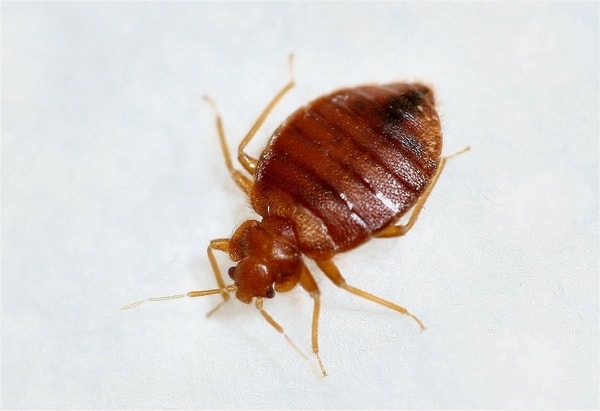
Bed bugs are reddish-brown, flat, and seed-shaped. They range from one and a half to five millimeters (mm) long. Their smooth exoskeleton gives them a shiny quality, and they possess six legs and two antennae.
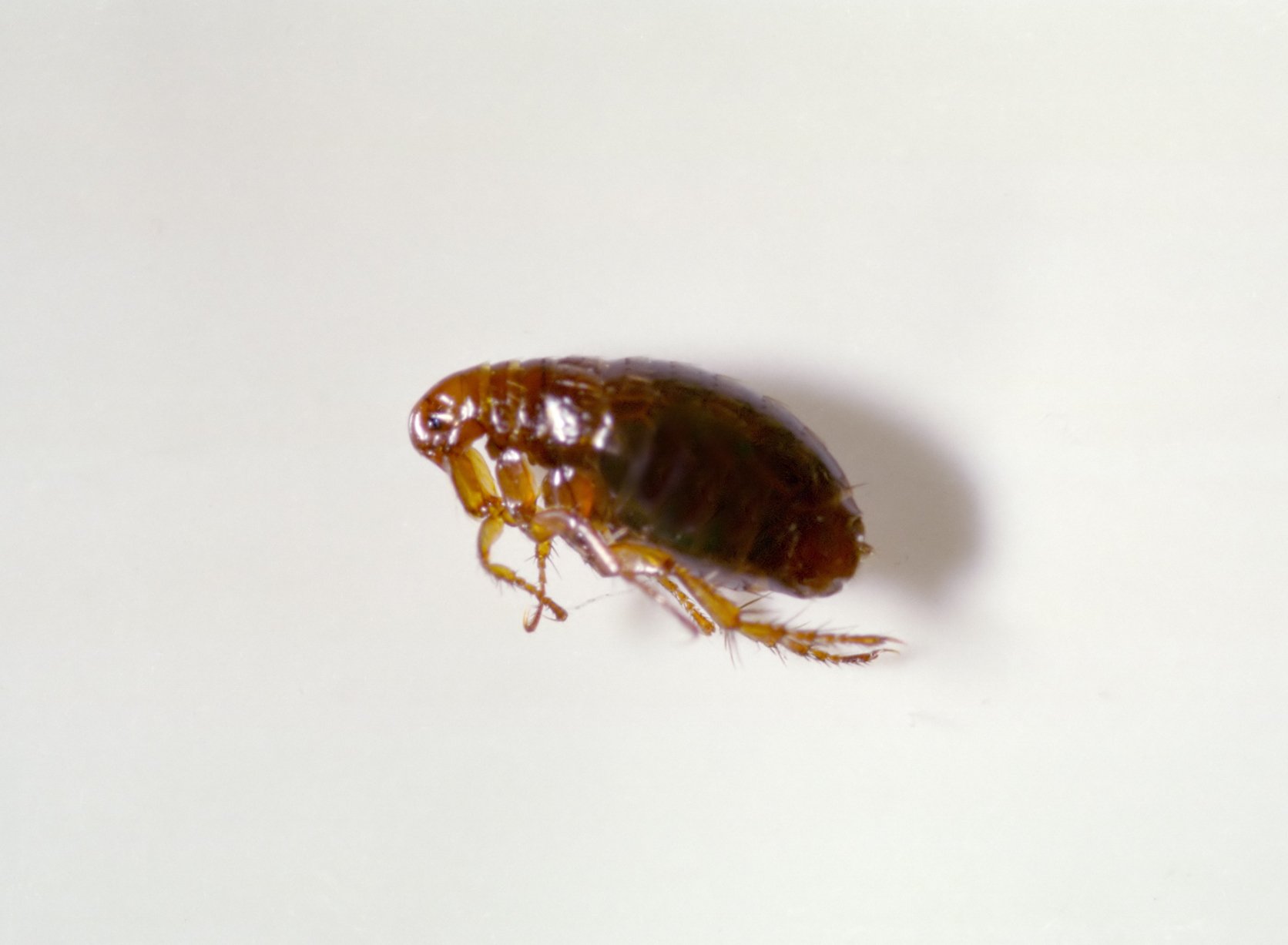
Fleas are also reddish-brown but have a more oval shape, appearing skinnier and longer rather than flatter. Fleas are also generally smaller, ranging in length from one and a half to just over three millimeters. Their bodies are hard and smooth, with tiny hair-like structures that can make them look slightly fuzzy.
Bed bug vs. flea behaviors
The difference between bed bugs and fleas is significant, ranging from where they hide to how they move. While both are primarily nocturnal parasites that require blood meals from warm-blooded hosts, their behaviors and lifespans follow very different patterns.
Habitat and movement
Bed bugs are commonly found in small crevices, such as mattress seams, bed frames, box springs, and other areas of the bedroom. Conversely, fleas are more active hitchhikers, clinging to pets or lurking in upholstery and carpets. Their methods of travel are also distinct: bed bugs cannot fly or jump, whereas fleas can jump nearly 200 times their body length to find a host.
Host preference and health
While fleas typically favor furry animals like cats and dogs, bed bugs have a clear preference for humans. There is also a notable difference in health risks; bed bugs are not known to transmit human pathogens, but fleas can spread serious diseases such as typhus, plague, and cat-scratch fever.
Survival and reproduction
The resilience and reproductive rates of these pests also vary drastically. An adult flea can only live about two weeks without a host, while an adult bed bug can endure up to a year without feeding. Fleas are far more prolific; a single flea can lay between 150 and 300 eggs per week. In contrast, a female bed bug lays only around 200 eggs in her entire lifetime.
Signs of bed bugs vs. fleas
Recognizing the signs of fleas or bed bugs can help you take action quickly. Bed bugs are commonly found in bedding, mattresses, and furniture. On the other hand, fleas can be found on pets, carpets, and upholstery. Here’s how to tell the difference between the signs of bed bugs and fleas.
- Bites: Bed bugs leave small, red, itchy welts on the skin, often arranged in lines or clusters. Flea bites often occur in groups and are often around the ankles and lower legs.
- Blood stains or dark spots: Tiny blood spots on sheets or pillowcases from crushed bugs after feeding. Small dark spots (excrement) on bedding or furniture.
- Eggs and shells: Bed bugs leave behind tiny, white, oval eggs and shed skins in their hiding places.
- Flea dirt: Tiny black specks (flea feces) may be found on the skin or in pet fur.
- Excessive scratching: Pets may scratch or bite their skin due to irritation from flea bites.
Bed bugs vs flea bites
If you're scratching at red marks on your body, you may have a bed bug infestation. If you have children and pets, check for signs of bites on them as well. Here are a few things that will help you figure out whether you have bed bugs or fleas, although it is important to remember that bite marks depend on the person and can be situational:
- Flea bites resemble a cluster of mosquito bites. They are usually randomly placed and often appear as dots with a dark red center from the single puncture bite of the flea's specially built mouth, allowing it to suck blood.
- Bed bug bites appear as raised, flat red welts due to an allergic reaction to the anesthesia and anticoagulants found in the bug's saliva. Bed bug bites often appear in a straight row or line, consisting of three or four bites, though this is not always the case.
- A flea wheal (red bump) becomes swollen less than an hour after the bite. It starts to itch immediately and persistently. The bite can turn into an open sore or blister in one to two days.
- Bed bug bites can take a few days or even a week to show up. They gradually begin to itch more as well, since the anesthetic from their saliva starts to wear off.
- Bed bugs come out for blood meals every seven to 10 days as you sleep. Adult female fleas will feed numerous times, day and night - often for hours on end - if you let them.
Bed bug vs. flea treatments
When it comes to treating and preventing bed bugs or fleas, the methods differ significantly. Bed bug prevention starts with thorough checks and cleaning of used or infested items to catch these pests early. If an infestation is present, you will most likely need professional treatment, as these insects often hide in hard-to-reach places and can reproduce rapidly. On the other hand, flea prevention usually includes pet medications as well as treatments by a trained professional for the home.
Whether you have bed bugs or fleas, there's only one true solution: Terminix. At the first sign of intrusion, even one bloodthirsty biter can take over your family's home. Learn more about bed bug and flea control today.