

What you should know about flying ants and getting rid of them
Content updated: May 6th, 2026
Key takeaways
- Flying ants, also known as alates, are mature winged ants that leave their colonies to start new ones.
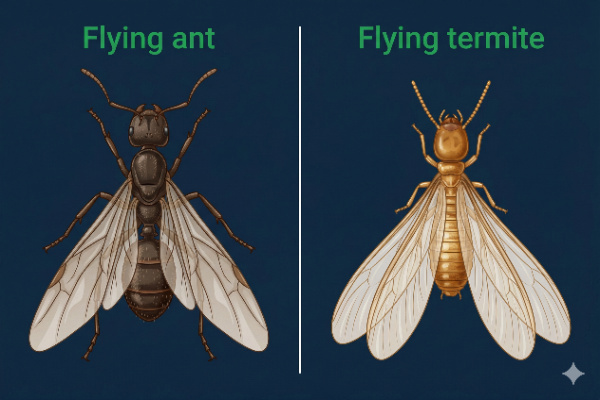
- To differentiate flying ants from termite swarmers, look for the ants' pinched waists and unequal wing sizes, while termites have a uniform body and equally sized wings.
- The presence of flying ants in your home may indicate a nearby colony, so sealing entry points and maintaining a clean environment is essential to prevent infestations
- While DIY methods like soap sprays and bait traps can provide temporary relief, seeking professional pest control is often necessary for effectively addressing a flying ant infestation.
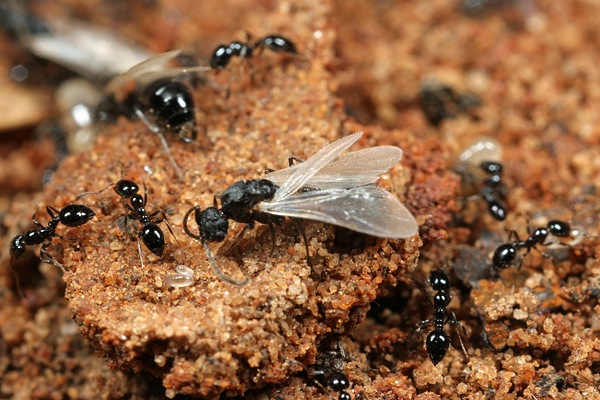
Flying ants aren't some kind of genetic mutation. Ants with wings or that fly are called "alates" and are sexually mature ants. They are "alternate reproductives" created by the queen. When the ant colony is naturally ready to expand, the winged ants swarm and establish a colony of their own. These swarms can last for a few days and are an impressive sight, but flying ants in the house can be a problem. Learn how ant control can help protect your home.
Identifying flying ants vs. termite swarmers
Ants with wings typically have a pinched waist and long, slender wings that are unequal in size, while termite swarmers possess a more uniform body shape and wings that are equal in length. If you notice flying ants around your home, it does not necessarily mean you have termites, but both can indicate structural concerns. Common signs of flying ants include their presence near windows and lights, whereas termite swarmers often emerge in swarms during warm, humid conditions, particularly near wooden structures. To identify an infestation, look for discarded wings, damaged wood, or mud tubes associated with termites.
Are flying ants dangerous?
Huge swarms can be intimidating, but the ants have only one thing on their minds: mating. Flying ants in the house are no greater danger than your typical ant that crawls.
If a species of ant doesn't sting or bite, its alates won't either. If the ant species has the ability to pinch/bite with its mandibles, like a carpenter ant, it can still pinch if handled. If the ant species is known for stinging, like fire ants, the winged version can still do the same. It's highly unlikely that ants will bite or sting you while flying.
What causes flying ants in your house?
There are two reasons you have flying ants in your house. If you see a few ants, they probably flew in through a door or window, looking for a swarm. These ants will likely die before they can mate and set up a colony. Simply vacuum them up, dispose of the bag, and seal any gaps in screens or windows that might let other flying ants inside.
If you find a large swarm of flying ants in your home, you may already have a colony in your walls or under the foundation. Removing the ant swarm isn't enough. You must locate the colony and then use an appropriate treatment to destroy it.
What to do if you see flying ants
If you see flying ants in your house, it's important to act quickly to prevent an infestation. Begin by identifying where they are entering your space and seal off any entry points. Make sure to keep your environment clean by removing food sources and debris that may attract them. These pests often signal a nearby colony, so taking immediate steps can help contain the problem.
DIY ways to get rid of flying ants
If you're dealing with flying ants, there are several DIY methods you can try to get rid of them.
- Soap and water: Simply combine dish soap and water in a spray bottle, then apply it directly to the ants when you see them.
- Sugar and boric acid bait: The sugar attracts the ants, while the boric acid is toxic to them. However, be cautious if you have pets or small children around.
- Vinegar: A 50-50 mix of vinegar and water can deter ants when sprayed around entry points, as they dislike the strong smell.
Unfortunately, DIY methods won't eliminate the entire colony. While these methods can provide temporary relief, professional pest control is often needed to address the infestation at the source.
Flying ant prevention
It’s important to keep your yard clean by regularly removing debris, such as fallen leaves and branches, which can serve as nesting sites. Sealing any cracks or gaps in windows, doors, and foundations can help prevent flying ants from entering the home. Additionally, maintaining proper landscaping by cutting back overgrown vegetation and ensuring plants do not touch the house can deter ants. Remember to avoid leaving food exposed and promptly clean up spills to limit attractants.
Professional flying ant control
When dealing with a flying ant infestation, taking immediate action with DIY methods can provide some relief, but it’s not a long-term solution. Professional flying ant control can be a crucial next step, especially if the problem persists after your initial efforts. Our experts have the training and tools to effectively locate and treat nests, which are often hidden in hard-to-reach areas. Enlist the help of your local Terminix technician to effectively remove these insects from your property.